
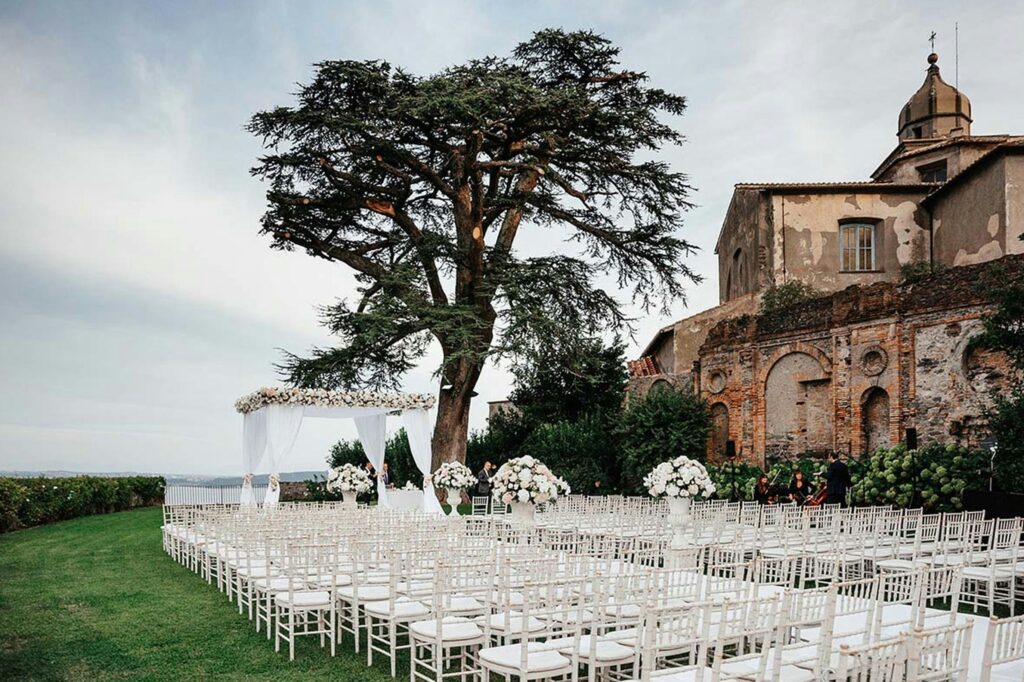
A destination wedding is one of the most exciting and most logistically complex things you can plan. Done well, it’s an unforgettable experience — not just for you, but for every guest who makes the journey. Done badly, it’s an expensive, stressful event that leaves guests feeling inconvenienced and out of pocket. The difference between the two comes down almost entirely to planning. Here’s how to get it right.
Choosing the Ideal Destination
The destination you choose sets the tone for everything that follows, so it’s worth taking real time over this decision. A few frameworks to help narrow it down:
- Personal connection — somewhere that means something to you as a couple. Where you first travelled together, where one of you grew up, a place you’ve always dreamed of. Meaning makes a destination wedding feel authentic rather than performative.
- Accessibility for guests — the more difficult it is to get to, the fewer guests will come. Direct flights, reasonable travel times, and manageable costs for guests should all factor into the decision.
- Legal considerations — getting legally married abroad varies enormously in complexity depending on the country. Some require months of advance paperwork; others are straightforward. Research the legal requirements for your chosen destination early — or consider a legal ceremony at home and a celebrant-led ceremony abroad.
- Climate and season — research the weather patterns for your chosen destination and time of year carefully. A destination wedding during monsoon season or hurricane season is a gamble nobody needs.
- Local supplier quality — are there experienced wedding planners and photographers in this location who understand what you want? Or will you be bringing everyone from home, which adds significant cost?
Popular destination wedding locations for UK couples include Italy, Greece, France, Portugal, and Spain — all relatively accessible, legally straightforward, and with established wedding supplier networks. Further afield, the Caribbean, Maldives, and Southeast Asia are popular for smaller, more intimate celebrations.
Budgeting for Your Destination Wedding
Destination weddings can be more or less expensive than a UK wedding depending on the location and the approach. A small ceremony in rural Portugal with 20 guests can cost less than a large UK wedding. A full production in Tuscany with 80 guests flown in from the UK will cost significantly more.
Key budget considerations specific to destination weddings:
- Currency fluctuation — if you’re paying suppliers in euros or dollars, factor in exchange rate risk. Lock in rates where possible or budget a contingency for movement.
- Guest travel and accommodation — while guests pay their own travel and accommodation, the more affordable and accessible you make it for them, the more will attend. Negotiating a room block at a nearby hotel is worth the effort.
- Local vs. imported suppliers — flying your UK photographer to Italy adds flights and accommodation on top of their fee. Local suppliers cost less in travel but require more research and vetting.
- Legal costs — marriage paperwork abroad can involve translation fees, notary fees, and legal requirements that add up. Factor these in early.
- On the ground coordination — a local wedding planner who knows the area, the suppliers, and the legal requirements is worth every penny for a destination wedding. This is not the place to DIY the logistics.
Guest Management and Communication
Your guests are making a significant commitment to attend a destination wedding — financially, logistically, and in terms of time off work. Acknowledging and managing that commitment well is one of the most important things you can do.
- Give as much notice as possible — 12 months minimum for a destination wedding. Some guests need to book annual leave, arrange childcare, or save specifically for the trip.
- Send save the dates early — as soon as the date and location are confirmed, get save the dates out. Don’t wait for the formal invitation.
- Create a wedding website — a simple page with all the information guests need: location, travel options, accommodation recommendations, local things to do, and a clear FAQ. This reduces the number of individual questions you’ll have to answer tenfold.
- Negotiate accommodation — contact nearby hotels and villas to negotiate a room block or group rate. Even a 10% group discount is meaningful for guests spending several hundred pounds on travel.
- Be clear about costs — guests will be trying to budget for the trip. The more information you give them about likely accommodation and travel costs, the better they can plan.
- Have a plan for guests who can’t make it — some people simply won’t be able to afford or arrange a destination wedding. Handle this graciously and consider a celebration at home for those who missed it.
Planning the Wedding Logistics
The logistics of a destination wedding are significantly more complex than a home wedding, and the consequences of things going wrong are higher when you’re abroad. A few areas that need particular attention:
- Hire a local wedding planner — non-negotiable for most destination weddings. They know the suppliers, speak the language, understand the legal requirements, and can troubleshoot on the day in a way that no one flying in from the UK can.
- Legal ceremony vs. symbolic ceremony — many destination wedding couples choose to have a legally registered ceremony at a UK registry office before the wedding, then a symbolic or celebrant-led ceremony abroad. This is often simpler legally and gives you more freedom in the ceremony itself.
- Travel insurance — both for you and strongly recommended for guests. Make this clear in your communications.
- Supplier contracts — ensure all contracts are in writing, in a language you understand, and that payment terms and cancellation policies are clear before you sign anything.
- Weather contingency — even in reliable climates, have a wet weather plan. A good venue will have one; if yours doesn’t, that’s a red flag.
- Day-of timeline — with guests potentially navigating unfamiliar locations, a very clear and detailed day-of schedule is even more important than usual. Build in extra time for everything.
Planning a destination wedding involves more moving parts than almost any other type of event. Staying organised from day one makes the difference between an enjoyable process and an overwhelming one. Our Wedding Planning Bundle gives you all the tools you need — budget tracker, supplier comparison, guest list manager, and day-of schedule — all in one place. Wedding Planning Bundle
You don’t have to figure this out alone
The Big Day Bulletin exists to make this process feel less overwhelming and more enjoyable. Whether you’re at the very beginning like right now, or knee deep in seating plans and supplier emails, we’ve got guides, ideas, and honest advice for every stage. Browse the blog, bookmark what’s useful, and come back whenever you need it.
Found this helpful? Save it to Pinterest so you can find it again when you need it – or share it with a newly engaged friend who could do with a calm, sensible starting point.